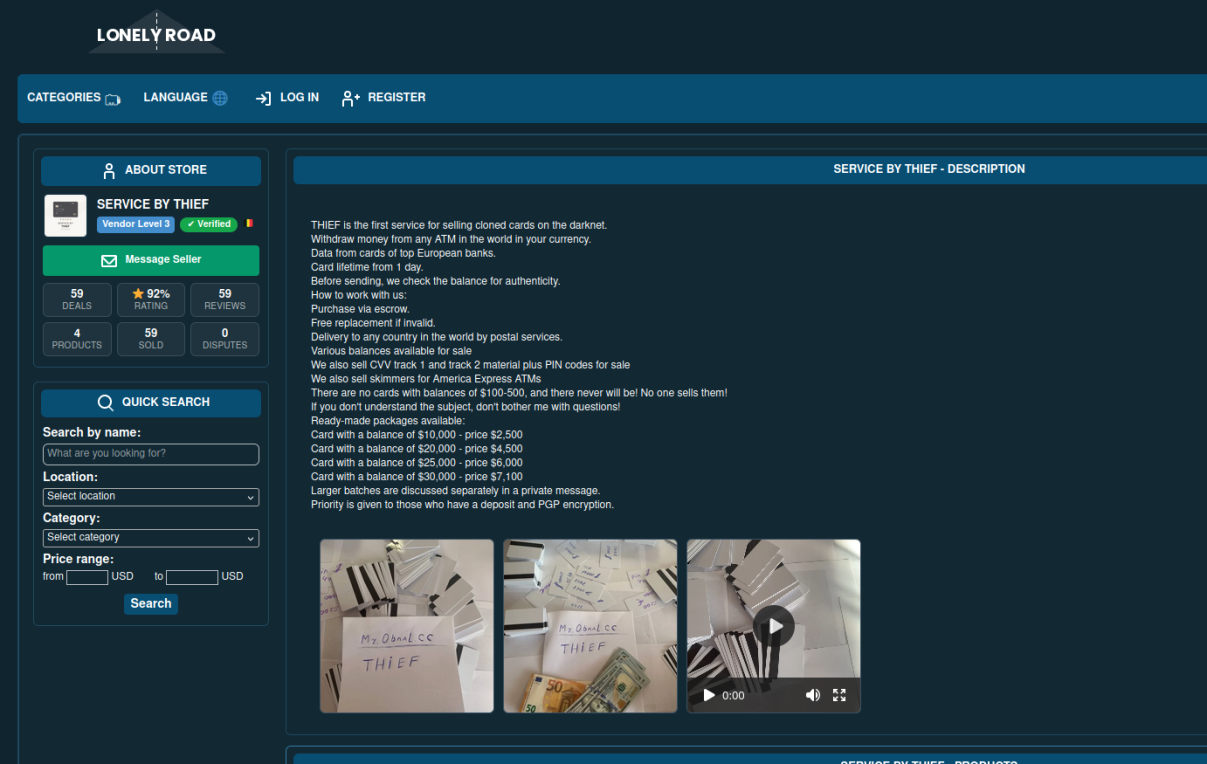
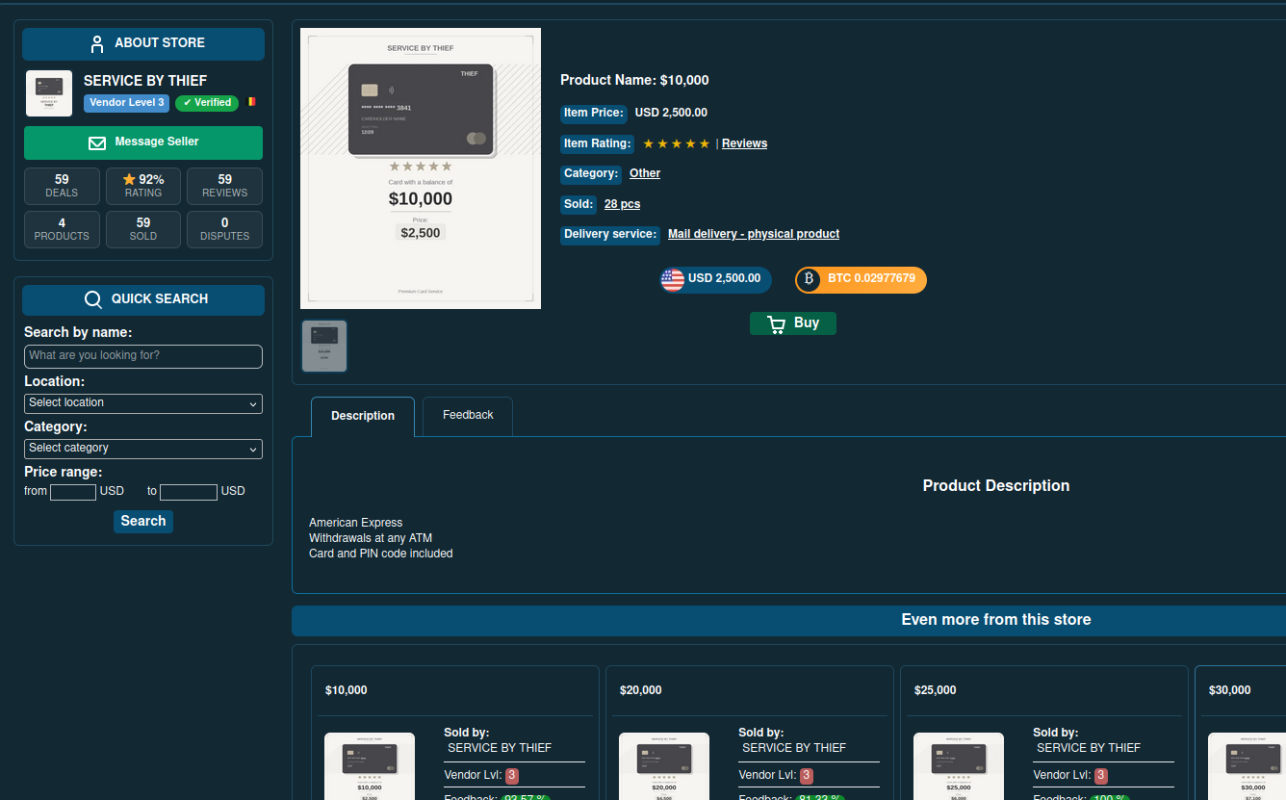
In November 2024, Mark T. purchased six cloned debit cards with PIN codes for $480 in cryptocurrency on a darknet marketplace, as reported. The cards were encoded with stolen magnetic tracks from real accounts. He withdrew a total of $4,200 from the first three ATMs, but his luck ran out at the fourth. The investigation that followed is a notable example of how digital evidence can lead to the capture of cybercriminals. The story is available on a cybersecurity news website.
- Follow the Cloning Process
The carding process involves several steps: skimming or data breach, embossing, obtaining the PIN code, cash-out, and laundering. Criminals collect magnetic card tracks through skimmers on ATMs or by purchasing dumps on darknet markets. The stolen data is then written onto blank plastic cards. If the PIN is compromised, the buyer can withdraw cash from an ATM. To understand the risks, consider how Mark T. was caught after using cloned cards.
- Inspect ATM Security Features
Modern ATMs are equipped with comprehensive surveillance systems, including built-in cameras, hidden cameras, transaction logs, geolocation, and network logs. When Mark used the fourth ATM, the built-in camera recorded his face in full profile. The footage, along with transaction data, provided crucial evidence. Key ATM security features include:
- Built-in camera: Records at 1080p resolution, often with infrared illumination for night mode.
- Hidden camera: Installed at a different angle, not visible from the outside.
- Transaction log: Records every withdrawal with accuracy to the second.
- Geolocation: Transmits coordinates to the bank's log.
- Network log: Logs requests to the bank's processor, including connection metadata.
- Track the Investigation Timeline
The investigation into Mark T.'s activities unfolded over 15 days. Here's a breakdown of the key events:
- Day 1: Three victims in three states noticed unauthorized withdrawals and filed complaints.
- Day 3: The bank's anti-fraud system identified a pattern and raised an emergency flag.
- Day 5: The case was passed to the U.S. Secret Service, which requested ATM logs and video recordings.
- Day 8: Video from the fourth ATM provided a clear image of Mark's face, matched with his driver's license.
- Day 12: The investigator obtained a warrant for electronic traces, including browser history and crypto wallet activity.
- Day 14: A search warrant was issued for Mark's house, where evidence was seized.
- Day 15: Mark was arrested and confessed to buying the cards and cashing out four of them.
- Analyze the Evidence
The evidence against Mark T. included:
- Withdrawals: 4
- Amount withdrawn: $4,900
- Paid for cards: $480
- Days from withdrawal to arrest: 15
- Federal prison sentence: 5 years (60 months)
- Fine and restitution: $22,000
- Supervised release: 3 years The investigation found that Mark's use of Monero, a cryptocurrency designed for anonymity, did not protect him. The weak link was the centralized exchange where he purchased Monero, which required KYC verification.
- Identify Mark's Mistakes
Mark T. made several critical mistakes:
- Withdrawing cash within a 40-mile radius of his home, triggering anti-fraud systems.
- Not using a disguise, making it easy to identify him from ATM footage.
- Using a centralized exchange for Monero, which linked his identity to the crypto purchase.
- Storing evidence at home, including cards, an MSR device, and a laptop with incriminating history.
- Keeping cash at home, which matched the denominations dispensed by the ATM.
- Draw Lessons for Security
Mark's case highlights several key takeaways for cybersecurity professionals:
- Anti-fraud systems are a crucial line of defense, using pattern analysis and geolocation rules.
- Physical and digital forensics work together, as seen with ATM video and transaction logs.
- 'Anonymous' cryptocurrencies don't guarantee anonymity due to KYC exchanges and cash exit points.
- Customer education is vital in reducing damage, as faster reporting of theft leads to quicker card blocking.
Conclusion
The case of Mark T. demonstrates how a chain of digital evidence can lead to the capture and conviction of cybercriminals. Despite using a darknet marketplace and 'anonymous' cryptocurrency, Mark was caught due to a combination of ATM surveillance, anti-fraud systems, and investigative work. The verdict was a 60-month federal prison sentence, followed by three years of supervised release, and a fine of $22,000.
See also: services
We collect these links for readers who want to compare options. Service directory.